
Introduction
LSD (Lysergic Acid Diethylamide) is one of the most well-known psychedelic substances in the world. It is commonly distributed in small paper squares known as “LSD blotter tabs.” These tiny pieces of paper are often infused with a measured amount of LSD and are known for producing powerful hallucinogenic effects even at very low doses.
While the term LSD blotter tab is frequently searched online, it is important to understand that LSD is a controlled and illegal substance in many countries, and this article is strictly for educational and informational purposes only.
This guide explains what LSD blotter tabs are, how they work, their effects on the brain, risks, and legal status worldwide.
What is an LSD Blotter Tab?
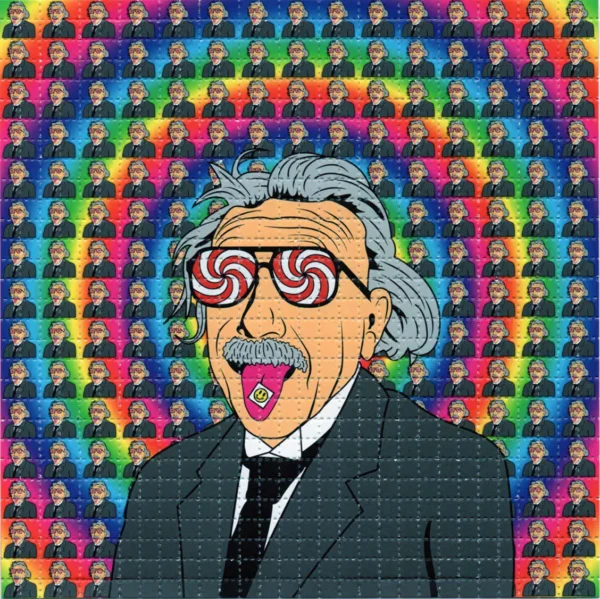
An LSD blotter tab is a small square piece of absorbent paper that has been infused with a liquid form of LSD. Each tab typically contains a very small dose of the substance.
These tabs are often:
- Printed with colorful designs or artwork
- Cut into small squares (usually 1/4 inch)
- Designed for sublingual absorption (placed on the tongue)
Because LSD is extremely potent, even micro amounts can produce strong psychological effects.
How LSD Works in the Brain
LSD primarily affects the brain’s serotonin system, especially the 5-HT2A receptors. These receptors play a key role in mood, perception, and cognition.
Key brain effects include:
- Altered sensory perception
- Distorted sense of time
- Enhanced emotional response
- Visual hallucinations
- Increased pattern recognition
LSD also temporarily changes communication between different brain networks, leading to unusual thought patterns and experiences.
Effects of LSD Blotter Tabs
The effects of an LSD blotter tab can vary widely depending on dosage, environment, and individual psychology.
Common effects include:
- Visual distortions (colors, patterns, shapes)
- Altered sense of time (minutes may feel like hours)
- Heightened emotions
- Deep introspection
- Synesthesia (mixing of senses)
Psychological effects:
- Euphoria or intense joy
- Confusion or anxiety
- Spiritual or mystical experiences
- Changes in self-perception
Effects typically begin within 30–90 minutes and can last 8–12 hours.
The “Set and Setting” Factor
One of the most important aspects of LSD experience is known as “set and setting.”
- Set = mindset of the person
- Setting = physical and social environment
A positive mindset and safe environment can reduce negative experiences, while stress or unsafe environments can increase anxiety or panic reactions.
Risks and Side Effects
Although LSD is not considered physically addictive, it can carry psychological risks.
Short-term risks:
- Anxiety or panic attacks
- Confusion or paranoia
- Nausea
- Impaired judgment
- Accidents due to altered perception
Long-term risks:
- Flashbacks (HPPD in rare cases)
- Persistent anxiety in sensitive individuals
- Worsening of underlying mental health conditions
Individuals with a history of psychosis or severe mental illness are generally advised to avoid psychedelics entirely.
Is LSD Blotter Tab Dangerous?
LSD itself is not considered toxic in the traditional sense, but its psychological effects can be intense and unpredictable.
The main dangers come from:
- Uncontrolled environments
- Unknown dosage in illicit markets
- Mental health vulnerability
- Risky behavior during intoxication
Because illegal LSD is unregulated, purity and dosage can never be guaranteed.
Legal Status of LSD Worldwide
LSD is classified as a controlled substance in most countries.
General legal status:
- United States: Schedule I (illegal)
- United Kingdom: Class A drug
- Canada: Schedule III controlled substance
- Australia: Prohibited substance
- Most of Europe: Illegal or highly restricted
Because of this, terms like “LSD blotter tab” are often associated with illegal activity online.
Medical and Scientific Research
Despite its illegal status, LSD is being studied in clinical research settings for potential therapeutic benefits.
Areas of interest include:
- Depression treatment research
- Anxiety and PTSD studies
- End-of-life psychological distress
- Cognitive and consciousness research
Early studies suggest LSD may have therapeutic potential when used in controlled medical environments, but more research is needed.
LSD in History and Culture
LSD was first synthesized in 1938 by Swiss chemist Albert Hofmann. It became widely known during the 1960s counterculture movement and has since been a symbol of psychedelic exploration.
It has influenced:
- Music
- Art
- Psychology
- Philosophy of consciousness
However, recreational use has also led to legal restrictions worldwide.
Why LSD Blotter Tabs Are Popular in Searches
Search terms like “LSD blotter tab” are popular because:
- People are curious about psychedelics
- Media coverage increases interest
- Online discussions about consciousness and mental health
- Cultural references in music and film
However, curiosity should be balanced with awareness of legal and health risks.
Harm Awareness and Safety Information
If someone is researching psychedelics, harm awareness is essential:
- Avoid unknown substances
- Understand legal consequences
- Be aware of mental health risks
- Never mix substances
- Seek professional help if needed
Education is always safer than experimentation.
Conclusion
LSD blotter tabs are one of the most recognizable forms of LSD distribution and have played a major role in psychedelic culture and research history. While interest in them remains high, especially online, it is important to approach the topic from a scientific, legal, and safety-focused perspective.
Modern research continues to explore LSD’s effects on the brain and its potential therapeutic applications, but in most countries, LSD remains strictly controlled and illegal outside of research settings.