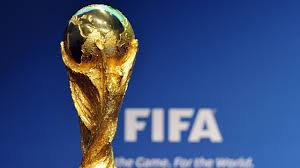

The World Cup is widely regarded as the most prestigious and exciting sporting event on the planet. Organized by the Fédération Internationale de Football Association (FIFA), it brings together the best national football teams from across the globe to compete for the ultimate prize in football. Since its first edition in 1930, the World Cup has grown into a global phenomenon that unites billions of fans, transcending language, culture, and geography. Every four years, the tournament creates unforgettable moments, legendary players, and historic matches that become part of sports history forever.
What makes the World Cup so special is not just the level of competition, but the emotions it generates. From underdog victories to last-minute goals, from penalty shootouts to dramatic comebacks, the tournament consistently delivers excitement and passion. It is more than just a sporting event—it is a celebration of global unity and human excellence.
History of the World Cup
The idea of the World Cup was first proposed in the early 20th century when international football was gaining popularity. FIFA officially organized the first tournament in Uruguay in 1930, where 13 teams participated. Uruguay became the first-ever World Cup champion after defeating Argentina in the final.
Over the decades, the tournament expanded significantly. More teams joined, new continents hosted the event, and football legends emerged. Countries like Brazil, Germany, Italy, Argentina, and France have dominated different eras of the competition, each leaving a strong legacy.
One of the most remarkable aspects of World Cup history is its evolution. From small stadium crowds and limited broadcasting in the early years, it has now become a global television spectacle watched by billions. Technological advancements like VAR (Video Assistant Referee) and goal-line technology have also modernized the game, ensuring fairness and accuracy.
Structure of the Tournament
The World Cup follows a well-defined structure that makes it highly competitive and fair:
1. Qualification Phase
Before the main tournament begins, teams from all FIFA member countries participate in regional qualifying rounds. These include:
- Asia (AFC)
- Europe (UEFA)
- Africa (CAF)
- South America (CONMEBOL)
- North America (CONCACAF)
- Oceania (OFC)
Only the strongest teams from each region qualify for the final tournament.
2. Group Stage
In the main event, qualified teams are divided into groups. Each team plays against others in their group. Points are awarded for wins and draws, and the top teams advance to the knockout stage.
3. Knockout Stage
This is the most intense phase of the tournament. It includes:
- Round of 16
- Quarterfinals
- Semifinals
- Final
If a match is tied, extra time and penalty shootouts are used to determine the winner.
4. The Final Match
The final is the most watched sporting event globally. The two best teams compete for the championship trophy, known as the FIFA World Cup Trophy.
Famous World Cup Moments
The World Cup has produced countless unforgettable moments that are still remembered today:
- Pelé’s rise in 1958: At just 17 years old, Pelé became a global sensation by helping Brazil win the World Cup.
- Maradona’s “Hand of God” (1986): A controversial but legendary moment when Diego Maradona scored one of the most debated goals in football history.
- Zidane’s brilliance in 1998: Zinedine Zidane led France to its first World Cup victory.
- Germany’s 7-1 victory over Brazil (2014): One of the most shocking results in football history.
- Messi’s triumph (2022): Lionel Messi finally lifted the trophy, completing his legendary career.
These moments show how the World Cup creates drama, emotion, and unforgettable memories.
Impact of the World Cup
1. Global Unity
The World Cup brings together people from different countries and cultures. Fans support their national teams with pride, creating a sense of global unity and friendship.
2. Economic Boost
Host countries benefit economically through tourism, infrastructure development, and global exposure. Hotels, transportation, and local businesses experience significant growth during the tournament.
3. Inspiration for Youth
Young players around the world are inspired by World Cup stars. It encourages them to pursue football professionally and dream big.
4. Cultural Exchange
The event promotes cultural understanding as fans and players from different backgrounds interact and celebrate together.
Challenges of the World Cup
Despite its success, the World Cup also faces challenges:
- High Costs: Hosting the tournament requires billions of dollars in infrastructure.
- Political Issues: Sometimes political tensions affect participation or hosting rights.
- Player Pressure: Athletes face extreme physical and mental pressure.
- Environmental Concerns: Large-scale events can impact the environment due to construction and travel.
FIFA continues to work on improving sustainability and fairness in future tournaments.
Modern Era of the World Cup
In recent years, the World Cup has become more advanced and inclusive. The introduction of more teams in upcoming editions aims to give smaller nations a chance to compete. Technology plays a huge role in improving fairness, while social media has increased global engagement.
The tournament is no longer just a sports event—it is a digital and cultural phenomenon. Fans can now follow matches live, share reactions instantly, and engage with players through social platforms.
Future of the World Cup
The future of the World Cup looks even more exciting. With increasing global participation, improved technology, and expanding fan bases, the tournament will continue to grow.
Upcoming editions are expected to:
- Feature more teams
- Use advanced AI-based analytics
- Improve sustainability practices
- Expand global broadcasting reach
Football is evolving, and the World Cup will remain at the center of this evolution.
FAQs about the World Cup
1. What is the World Cup?
The World Cup is an international football tournament organized by FIFA where national teams compete for the championship.
2. How often is the World Cup held?
It is held every four years.
3. Which country has won the most World Cups?
Brazil has won the most titles in World Cup history.
4. How many teams participate in the World Cup?
Traditionally 32 teams participate, but future tournaments will include more teams.
5. Who is the greatest World Cup player?
Many consider legends like Pelé, Maradona, and Messi among the greatest.
6. Where is the next World Cup hosted?
The host country changes every edition and is selected by FIFA several years in advance.
Conclusion
The World Cup is far more than just a football tournament—it is a global celebration of sport, culture, and human spirit. It unites people from all walks of life, creates unforgettable memories, and showcases the highest level of football talent in the world. From its humble beginnings in 1930 to the massive global event it is today, the World Cup continues to grow in popularity and influence.
Every four years, the world comes to a stop to watch nations compete for glory. Whether it is the thrill of a last-minute goal, the heartbreak of a penalty miss, or the joy of lifting the trophy, the World Cup delivers emotions like no other event.