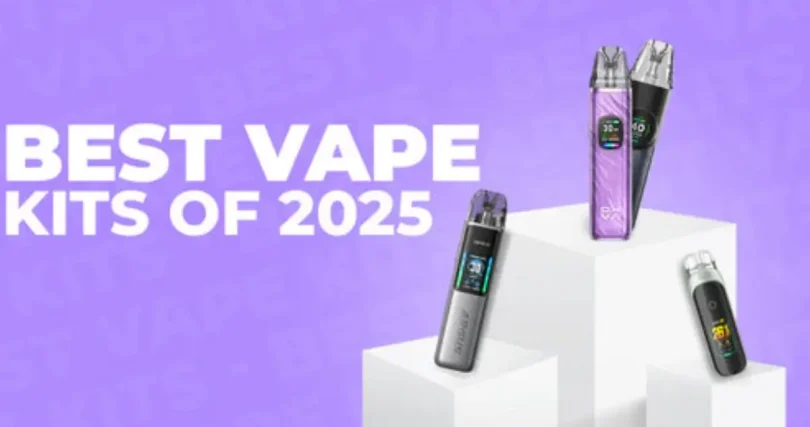

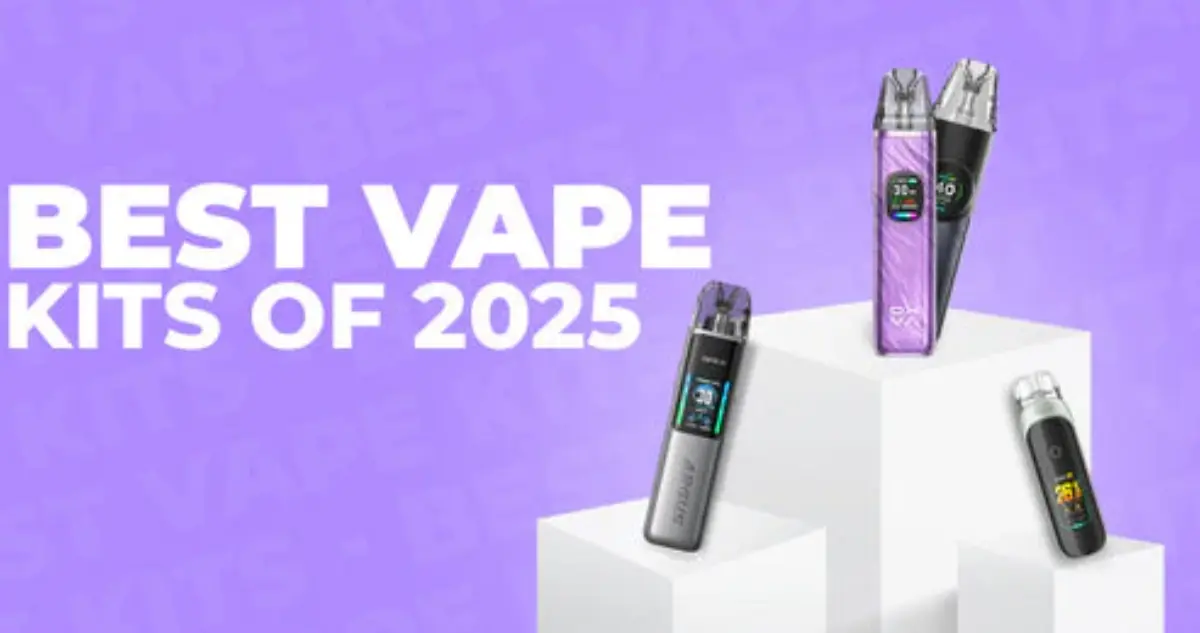
If disposables are the simplest way to vape, refillable kits are the smartest long-term way. They cost less per day, produce far less waste, and let you choose your flavour and nicotine strength freely. Yet the terminology puts many people off: pods, mods, tanks, coils, MTL, DTL, ohms, watts. This guide has vape kits explained in plain language, comparing the three main families of devices so you can match a setup to your experience and the way you like to inhale.
The Three Families of Vape Kits
Nearly every refillable device falls into one of three groups. Pod kits are compact devices that use snap-in pods, either pre-filled or refillable; they are the closest refillable equivalent to a disposable and the easiest place to start. Vape pens are slim, tube-shaped devices with a built-in tank, offering a little more battery life and adjustability while staying simple. Box mod kits pair a larger, battery-powered “mod” with a separate tank, giving full control over power and airflow at the cost of size and complexity. Understanding which family fits your life matters more than any individual specification, and it is the foundation of having vape kits explained properly.
MTL and DTL: The Inhale That Decides Everything
Before choosing hardware, decide how you inhale. Mouth-to-lung (MTL) vaping mimics smoking: you draw vapour into your mouth, then inhale, with a tight airflow and modest clouds. It works best with higher nicotine strengths and thinner, PG-heavy e-liquids. Direct-to-lung (DTL) vaping is the opposite: a deep, airy inhale straight to the lungs, producing large clouds and intense flavour, using low nicotine strengths and thicker, VG-heavy liquids. Most starter kits are MTL, most advanced kits are DTL, and many modern pods offer both by swapping the pod or coil. If you are switching from smoking, start MTL — the familiar sensation is a large part of why kits succeed where willpower alone failed.
Coils, Resistance, and Power in Plain English
The coil is the heating element that turns e-liquid into vapour, and its resistance — measured in ohms — shapes the experience. Higher-resistance coils (1.0 ohm and above) run at low power, sip liquid and battery, and suit MTL vaping. Lower-resistance “sub-ohm” coils (below 1.0 ohm, often 0.2–0.6) run hot, drink liquid, and make the big clouds DTL vapers want. Wattage is simply how much power the device pushes through the coil; every coil has a recommended range printed on its side, and staying inside it prevents burnt tastes. Coils are consumables lasting one to two weeks depending on use and liquid sweetness. When you research devices, read proper walkthroughs — the same patience you would give to an app guide explaining steps and methods pays off here, because most beginner problems trace back to a coil used outside its range or primed incorrectly.
Maintenance That Keeps a Kit Performing
A kit asks little of you, but not nothing. Prime every new coil by saturating its cotton with liquid and waiting five to ten minutes before first use — skipping this is the leading cause of instantly burnt coils. Rinse tanks between flavour changes, keep the device’s contacts clean with a dry cloth, and replace coils at the first persistent burnt note rather than suffering through a week of bad flavour. Firmware updates on larger mods occasionally improve performance or safety behaviour, so check the manufacturer’s site a few times a year. None of this takes more than minutes a month, and it is the difference between a kit that feels premium for a year and one that feels tired by spring.
Battery Life and Charging
Battery capacity, measured in milliamp-hours (mAh), predicts how long a kit lasts between charges. A 1,000 mAh pod kit typically covers a light vaper’s day; heavy users should look at 2,500 mAh or more, or choose a mod with replaceable batteries they can swap and charge externally. Nearly all modern kits charge by USB-C. Two safety habits are non-negotiable: use the cable and a sensible power source, and never leave a charging device unattended overnight. If your kit uses external 18650 or 21700 batteries, buy them from reputable sellers, keep the wraps undamaged, and carry spares in a case, never loose in a pocket.
What It Really Costs to Run a Kit
The maths strongly favours kits. A refillable setup typically costs the equivalent of a few disposables to buy, after which your spending is e-liquid and coils: for most users, a fraction of the daily cost of disposables. Sweet, dark e-liquids shorten coil life, so budget accordingly if those are your favourites. Look out for bundle deals and seasonal sales from established retailers — much like checking a complete overview of bonuses and options before committing money anywhere, comparing what’s actually included saves surprises. Also confirm that replacement pods or coils for your chosen kit are widely stocked; an excellent device with unavailable coils quickly becomes an ornament.
E-Liquid Choices for Your Kit
Hardware is only half of a kit; the liquid completes it. E-liquids are described by two ratios and a strength. The ratio is PG to VG: PG carries flavour and throat hit and is thin, suiting MTL coils; VG is thick, smooth, and cloud-producing, suiting sub-ohm coils. Putting thick high-VG liquid in a small pod coil is the classic beginner error — the coil cannot wick it fast enough and burns. Strength follows the hardware: nicotine salts at 10–20mg for MTL pods, low-strength freebase (3–6mg) for DTL tanks, because the vapour volume is far greater. Buy liquid in small bottles until you know your tastes — flavour fatigue is real — and buy from established brands that publish ingredients and batch details. Store bottles upright, capped, away from heat and sunlight, and treat any liquid that has darkened dramatically or smells peppery beyond its profile as expired.
So Which Kit Should You Choose?
If you are new and want minimum fuss, choose a refillable pod kit with 1.0 ohm pods and nicotine salt liquid. If you enjoy tinkering and want maximum flavour and clouds, a sub-ohm box mod kit is your destination — but consider a pod-mod hybrid as a middle step. If you travel constantly, prioritise battery size and leak-resistant pods. Whatever you pick, start with the coils included, keep power in the recommended range, and give yourself two weeks before judging the setup; technique improves quickly. With vape kits explained this way, the wall of devices in the shop stops being intimidating and becomes what it should be: a set of options you know how to read.