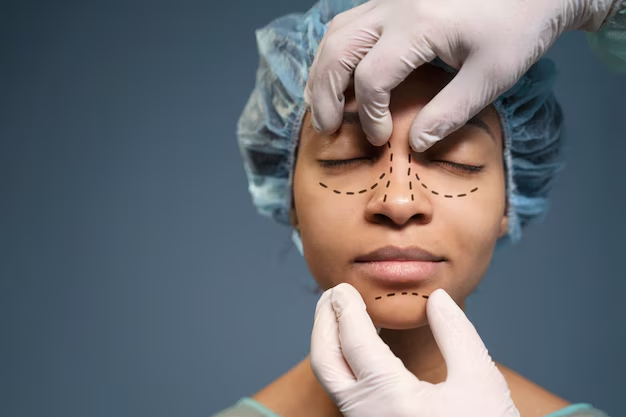

Something has shifted in how people approach cosmetic consultations. Patients are walking in with sharper, more specific questions. They’re not simply asking what can be fixed. They’re asking how long they’ll need to step back from work, whether anyone will notice they had something done, and what their nose will look like five years from now. That change in thinking is pushing surgeons to rethink what they offer, and how.
The answer that keeps coming up is closed rhinoplasty. Every incision stays inside the nostrils. Nothing cuts across the columella, nothing leaves a mark on the outside of the nose. The tissue disruption is less, the swelling tends to settle faster, and the overall recovery period is shorter than what most patients expect from nasal surgery. For anyone weighing a procedure but dreading the recovery that comes with it, this approach removes a significant source of that concern.
Why Beverly Hills Patients Are Particularly Drawn to This Approach
Beverly Hills patients tend to do their research. They come in informed, they ask specific questions, and they usually have demanding schedules that don’t leave much room for a long recovery. The Beverly Hills Rhinoplasty Center: Deepak Dugar, MD, has built its entire practice around the closed technique, not as one option among many, but as the primary focus. That kind of specialization changes what a surgeon is capable of over time.
Here is why that matters. Repetition in surgery is not about doing things faster. It is about developing a level of familiarity with one technique that makes outcomes more predictable. A surgeon who has performed the same approach hundreds of times has encountered variations, adjustments, and edge cases. That experience shapes how decisions get made during an operation. A rotating approach among multiple techniques simply does not achieve the same depth.
What Recovery Actually Looks Like
Let’s be specific about what the recovery difference feels like in practice. Open rhinoplasty requires an external incision to heal, and the surrounding tissue responds accordingly. Swelling can linger for a long time, and the external scar, while usually small, still needs to heal. With the closed approach, that layer of recovery does not exist. Patients still need time to heal; that part is real, but the absence of an external wound removes one full variable from the equation.
For someone with a public-facing career or a schedule that does not allow weeks of visible bruising, that difference is not small. It is often the deciding factor. Patients who initially hesitated about surgery because of downtime concerns find that the closed technique fits into their lives in a way the traditional approach does not.
The Fear of Looking “Done”
This fear comes up in nearly every consultation. People who want nasal refinement often hold back because they have seen results that look stiff, overcorrected, or plainly surgical. They do not want to walk into a room and have people notice immediately. That concern is not vanity; it is entirely reasonable and shapes what a good surgical outcome should look like.
The closed technique, when performed with a preservation mindset, tends to produce results that fit the face rather than overhaul it. The approach is not about rebuilding. It is about refining what is already there. Patients who go in wanting to look like themselves, only better, tend to connect with this philosophy quickly.
Breathing Is Part of the Conversation Too
Cosmetic goals often get the most attention, but a meaningful portion of patients come in with functional concerns. A deviated septum, restricted airflow, chronic nasal congestion – these are real issues that affect daily life. The closed approach can address these problems in the same procedure. So the idea that this technique is purely about appearance is not the full picture. For many patients, the decision to have surgery is driven as much by how they breathe as by how they look.
Why the Consultation Defines the Outcome
Surgical technique matters, but the conversation before the operation shapes everything that follows. A surgeon who listens carefully, who takes the time to understand what a patient actually wants rather than defaulting to a standard result, tends to produce work that holds up. The “cookie-cutter” approach in rhinoplasty is one of the most documented sources of patient regret. People who felt their individuality was not taken into account during planning often end up dissatisfied, regardless of how technically sound the surgery was.
This is where a practice built entirely around one approach has a quiet advantage. When the consultation, the planning, and the execution all reflect the same philosophy, the outcome tends to reflect that consistency.
Who Is Choosing This Technique
Patients from entertainment, media, and high-visibility careers make up a notable share of this patient base, and the reasons are practical. They need results that do not announce themselves. They need recovery timelines that work around commitments. They need a nose that looks like theirs, not like someone else’s surgical result. The closed approach fits that profile in a way that is hard to replicate with a more invasive method.
What the Research Tells Us About Tissue Preservation
Recovery outcomes are closely tied to how much tissue is disrupted during a procedure. Less disruption during surgery generally means the body has less to repair afterward. Nasal surgery follows that same logic. The closed technique preserves more of the nose’s structural integrity during the operation, which tends to show up in how patients heal. It is not a guarantee of faster recovery for every individual, but the structural conditions are more favorable.
Wrapping It Up
Closed rhinoplasty has earned its growing preference because it addresses two things most patients care deeply about: results that look natural and a recovery that does not take over their lives. The technique rewards repetition, patient-specific planning, and a surgical philosophy that prioritizes preservation over reconstruction. When those elements come together in a practice that has built its identity around them, the outcomes tend to reflect that focus clearly.