
Since single-use vapes were removed from sale in the UK, retailers have had to rethink how they build their vape ranges. The question is no longer simply which device is popular. It is which reusable systems are easy to explain, easy to support and likely to create sensible repeat demand.
For many shops, that decision comes down to prefilled and refillable pod kits.
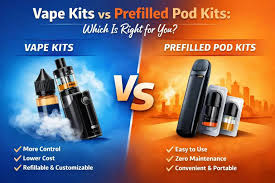
Both formats use rechargeable devices, but they serve different customer needs. Prefilled pod kits focus on convenience and simple replacement pods. Refillable pod kits give users more choice over e-liquid and how they use the device.
For retailers, there is no single “best” option. A good range depends on customer demand, replacement stock, compatibility, shelf space and how many different SKUs the business can manage well.
Prefilled vs Refillable Pod Kits
A prefilled pod kit uses ready-filled pods made for a compatible rechargeable device. The customer does not need to fill the pod manually. Once the liquid is finished, the pod is replaced.
A refillable pod kit works differently. The customer fills the pod or cartridge with a suitable bottled e-liquid and refills it as needed. Depending on the device, the pod or coil will still need replacing from time to time.
The practical difference is simple:
- Prefilled systems reduce setup and mess.
- Refillable systems offer more flexibility.
- Both need replacement stock to remain useful over time.
For retailers, this matters because each format creates a different stock pattern after the first device sale.
Where Prefilled Kits Fit
Prefilled systems can suit customers who want a reusable device without handling bottled e-liquid. The experience is simple: charge the device, insert the correct pod and replace it when needed.
That simplicity can make prefilled systems especially relevant to people moving away from single-use vapes.
For retailers, however, the device should not be judged on its own. A useful prefilled pod kit range also needs reliable access to compatible replacement pods.
Before adding a system, it is worth checking how many pod options are available, whether key flavours are regularly restocked, whether replacements are easy to identify and whether the device is likely to remain supported.
A kit may sell well at launch, but poor pod availability can quickly make it harder to support.
Where Refillable Kits Fit
Refillable pod kits appeal to customers who want more flexibility.
Instead of being tied to ready-filled pods, the user can choose a suitable bottled e-liquid. That usually gives more choice over flavour, nicotine strength and brand.
This also creates more questions at the point of sale. Retailers may need to explain which e-liquids are suitable, how the pod is filled and which replacement parts fit the device.
That does not make refillable systems difficult to stock. It simply means the support around the device matters more.
A smaller number of well-understood refillable systems can often be easier to manage than a wide range of devices that all use different pods or coils.
Match the Range to Demand
One common mistake is building a range around what is new rather than what customers actually need.
A retailer serving many former disposable-vape users may see stronger demand for simple prefilled systems. A specialist vape shop may have more customers who already use bottled e-liquid and want refillable devices.
This is why prefilled vs refillable pod kits should not be treated as an either-or decision.
Customer questions can provide useful clues. If people regularly ask for a simple rechargeable device with ready-filled pods, that suggests demand for prefilled systems. If they ask which kits work with their usual e-liquid, refillable devices may deserve more space.
Stock decisions become stronger when they are based on repeated customer behaviour rather than assumptions.
Check Replacement Stock First
The first device sale is only one part of the product journey.
Prefilled users will need replacement pods. Refillable users may need bottled e-liquid, replacement pods and, depending on the device, replacement coils.
That means replacement availability should be checked before a kit earns a permanent place in the range.
When comparing wholesale pod kits, retailers should look at the wider system around each device, not only the starter kit itself.
Useful questions include:
- Can replacement pods be reordered easily?
- Are the correct coils or cartridges normally available?
- Does the device use common or highly specific parts?
- Will supporting it require too many low-volume SKUs?
A device with steady replacement availability can be more useful than one that looks attractive but is difficult to support after the initial sale.
Keep the SKU Count Under Control
Every new device can bring extra stock lines.
One prefilled kit may come with several pod flavours. A refillable kit may need different pods or coils. Add colours, strengths and accessories, and the SKU count can grow quickly.
More choice is not always better.
Too many overlapping products can lead to slow-moving stock, confusion for staff and a harder buying experience for customers.
Retailers can reduce this problem by giving each device a clear role. One system might be the simple prefilled option. Another might serve customers who want an entry-level refillable kit.
If two devices serve almost the same customer but require completely different replacement stock, it is worth asking whether both are necessary.
Make Compatibility Easy
Pod compatibility is an important part of managing a reusable vape range.
Some device families have several versions with similar names. Their pods may look alike while being designed for different models.
Clear shelf labels, product descriptions and staff guidance can help prevent mistakes. Online retailers should also connect each device with the correct compatible pods or coils so customers do not have to guess.
For refillable systems, e-liquid compatibility matters too. Retail staff do not need to turn every sale into a technical lesson, but they should understand the basic requirements of the products they carry.
Good compatibility information supports both customer experience and stock control.
Think About Repeat Demand
Pod kits are not one-off products in the same way many single-use vapes were.
The device starts a longer relationship with replacement stock.
A prefilled system may create repeat demand for pods. A refillable system may support sales of e-liquid, coils and replacement cartridges.
The important point is not to choose whichever format appears to create the most add-on sales. It is to understand the full system before committing to it.
Repeat demand only works well when replacement items are easy to source and customers understand what they need next.
Keep Reusable Rules in Mind
UK retailers also need to make sure the devices they stock meet the current rules for reusable vapes.
Since 1 June 2025, businesses in the UK have not been allowed to sell or supply single-use vapes.
A reusable vape needs to be rechargeable and refillable. Refilling can involve adding bottled e-liquid or inserting a separately available prefilled pod.
That distinction matters when retailers assess new products. A device should not simply look reusable; the way it is recharged, refilled and supported with replacement products matters too.
Keeping clear product information and supplier records can make it easier to understand how each system fits within the reusable category.
Build a Range That Is Easy to Support
A strong pod kit range does not need an equal number of prefilled and refillable devices.
It needs the right balance for the customers who actually shop with the business.
Prefilled pod kits can suit people who value convenience and a simple move to reusable vaping. Refillable pod kits can suit customers who want more choice over e-liquid and a more flexible setup.
For retailers, the better question is not “Which type is best?”
It is “Which systems can we support properly?”
That means looking at customer demand, replacement availability, compatibility, staff knowledge, SKU depth and repeat stock together.
A smaller range of well-supported pod systems can be easier to sell, explain and replenish than a much larger catalogue of disconnected products. In the current UK market, that clarity may be more useful than simply adding every new pod kit that becomes available.